

Bell Metal Craft of Tikamgarh: A Three-Century Casting Tradition in Madhya Pradesh’s Bundelkhand Region
Bell Metal Craft
From royal armouries to contemporary markets, the lost-wax casting heritage of Tikamgarh holds Geographical Indication recognition
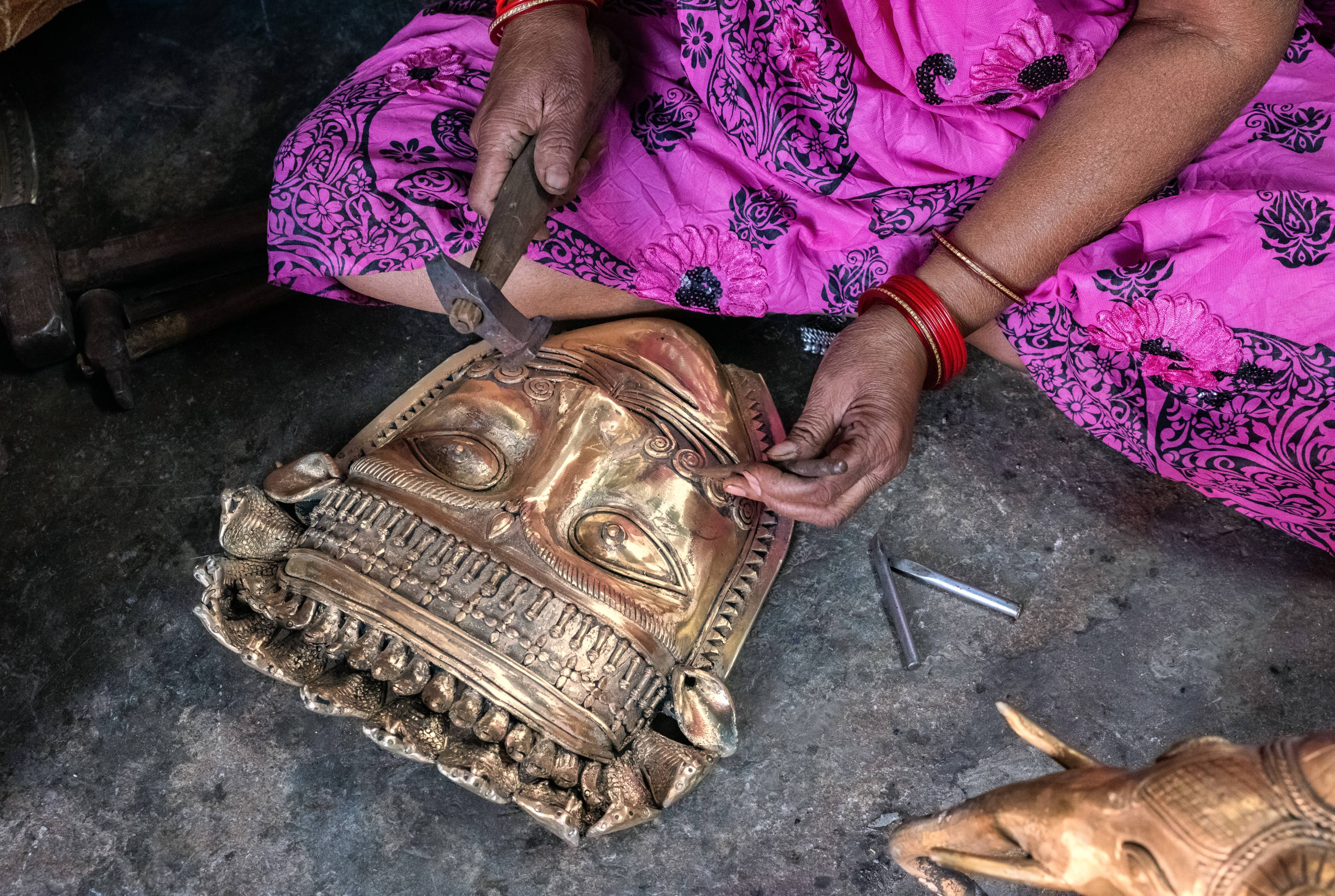
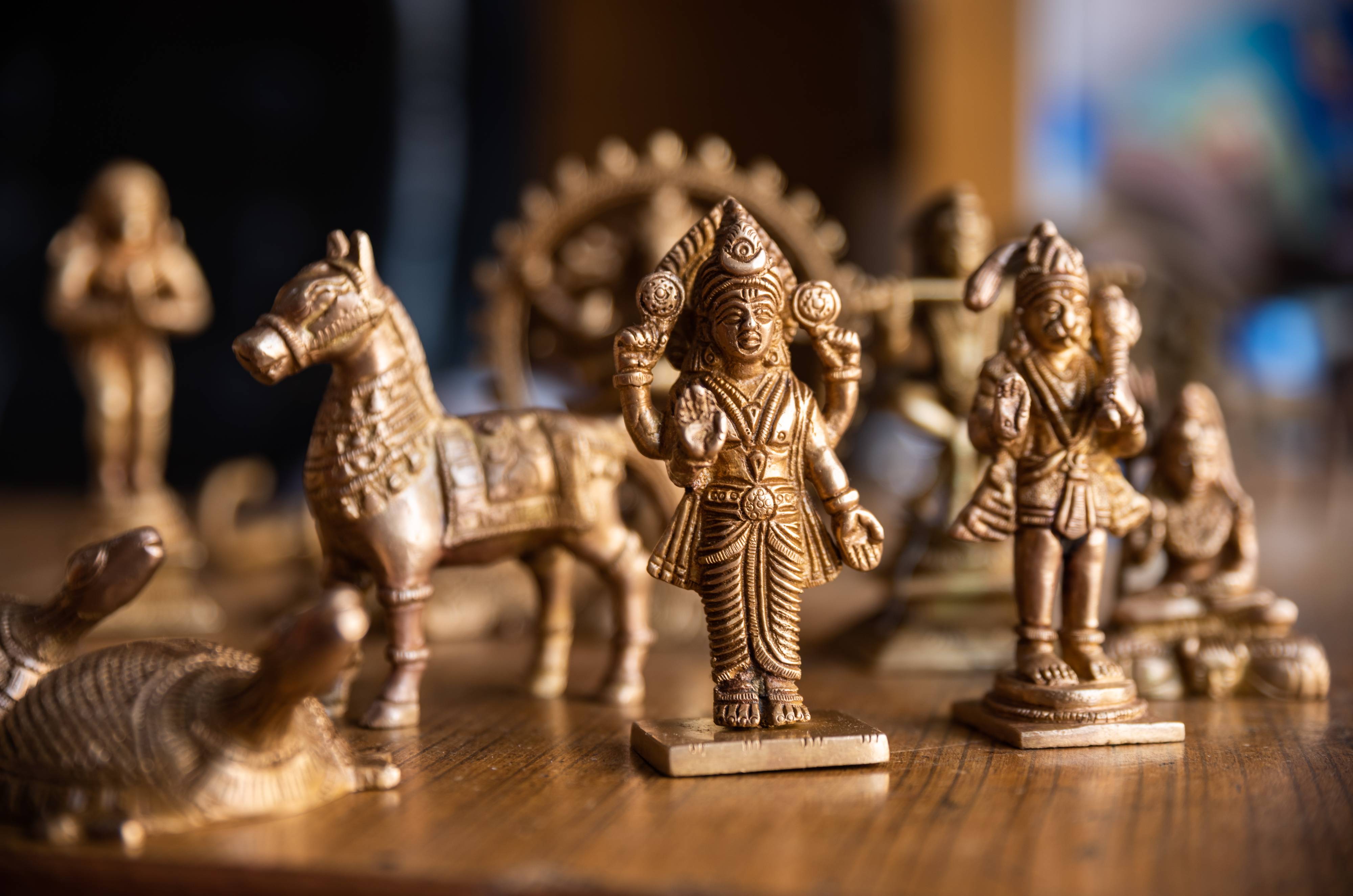
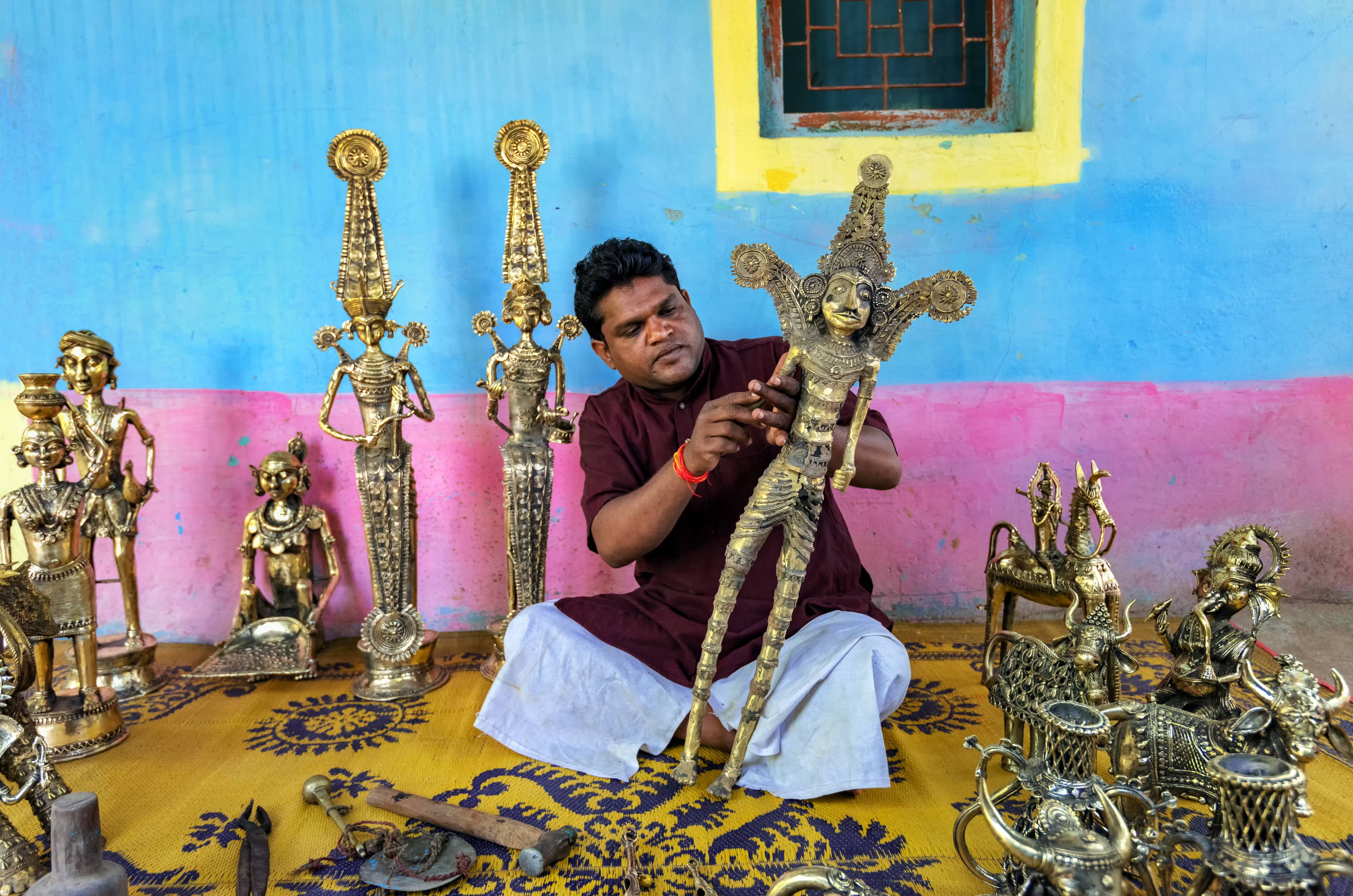
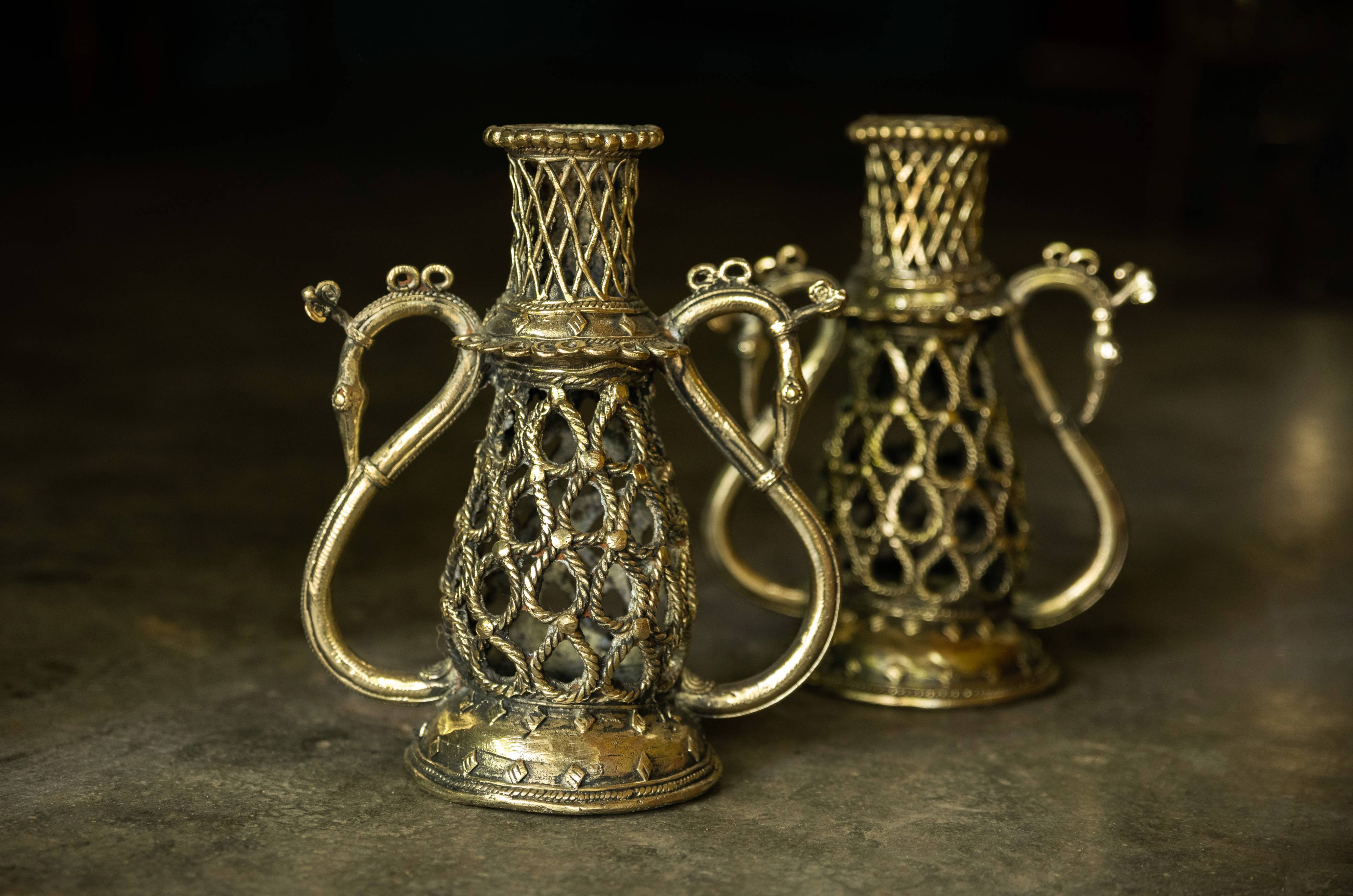
BHOPAL, MADHYA PRADESH, INDIA, June 29, 2026 /EINPresswire.com/ -- The Madhya Pradesh Tourism Board (MPTB) highlights the bell metal craft tradition of Tikamgarh, a town in the Bundelkhand region of northern Madhya Pradesh, located approximately 85 kilometers from Chanderi. Practiced in the region for more than three centuries, the craft represents one of the state's enduring metalworking traditions and continues to be sustained by generations of artisans, primarily from the Swarnkar community.Historically, the craft developed under royal patronage. Artisans in Tikamgarh were engaged by the Maharajas of the region to produce ammunition, weapons, and war materiel including cannons and artefacts for the royal court. Over time, as the utility of such production shifted with changing socio-political conditions, craftsmen extended their repertoire to include cattle bells, temple bells, bullock cart fittings, ornamental anklets (pajebs), and a range of household items. Today, the product range encompasses figurines of deities and animals, lamps, decorative objects, and utility items that serve both domestic and export markets.
The technique employed in Tikamgarh is the lost-wax casting method — among the oldest known metal-forming processes, with precedents traceable to the Indus Valley Civilization. In this method, a wax model of the intended object is coated with layers of fine mud and clay to form a mould. The mould is then fired in a furnace, traditionally fueled by coal and cow dung cakes, causing the wax to melt and drain away. Molten brass or bell metal is then poured into the resulting cavity, and once cooled, the clay casing is broken to reveal the cast object, which is then finished through grinding, acid cleaning, and surface detailing.
A distinctive feature of the Tikamgarh tradition lies in the materials and techniques used during the modelling stage. Artisans prepare a heated mixture of industrial wax, groundnut oil, and a binding resin, which is shaped into the desired form. For larger objects, a clay core is first constructed and subsequently coated with the wax mixture. Craftsmen have also developed indigenous tools to create customized surface designs and fine carvings before the mould is prepared for casting.
The Tikamgarh tradition shares a broad technical lineage in scale and popularity with the Dhokra casting practiced in Betul, in the southern part of Madhya Pradesh, insofar as both rely on the lost-wax method. However, the two differ in a fundamental aspect of execution. The Betul Dhokra tradition constructs the wax model by winding and layering thin strings of wax around a clay core — a technique that produces a characteristically open, patterned form. In contrast, the Tikamgarh approach sculpts the wax model as a conventional solid form and derives moulds from it to produce the cast objects. The resulting Tikamgarh pieces tend toward solid forms with selective surface ornamentation, as distinct from the lattice-like character of Betul’s Dhokra output.
The Bell Metal Ware of Datia and Tikamgarh has been accorded a Geographical Indication (GI) tag under India’s intellectual property framework, recognizing the craft’s specific regional provenance and the distinctive qualities attributed to it.
Beyond its economic function, the craft holds cultural significance within the communities spread over Bundelkhand and Betul. Bell metal objects continue to feature in religious ceremonies, temple rituals, and customary gift-giving practices. The tradition of presenting intricately cast metal lamps (diyas) to daughters at the time of their marriage, for instance, reflects the integration of the craft into social life. Artisans produce gods, toys, animal figures, and lamps that are sold in local markets as well as through national and international trade channels.
The Madhya Pradesh Tourism Board documents and promotes the bell metal craft of Tikamgarh, Datia and Betul as part of the state’s broader effort to record and sustain its handicraft heritage. Madhya Pradesh is home to a wide range of craft traditions spanning metal, textile, wood, and painting, each rooted in the distinct cultural and historical landscapes of its various regions.
ZM
Madhya Pradesh Tourism Board
email us here
Visit us on social media:
LinkedIn
Instagram
Facebook
YouTube
X
Bell Metal, Tikamgarh - Madhya Pradesh | MPTourism
Legal Disclaimer:
EIN Presswire provides this news content "as is" without warranty of any kind. We do not accept any responsibility or liability for the accuracy, content, images, videos, licenses, completeness, legality, or reliability of the information contained in this article. If you have any complaints or copyright issues related to this article, kindly contact the author above.
